


We receive referrals from parents and teachers when they notice a young person struggling at home or in school. We believe that in order to effectively help a young person it is crucial to gain a comprehensive understanding of the strengths, differences and challenges they face. This allows us to identify tailored strategies that build on their strengths while supporting areas of difficulty.
Our comprehensive neurodevelopmental assessments cover:
Following the assessment, you’ll receive a detailed report with clear, practical recommendations to help your child reach their potential. Where helpful, we also offer post-diagnostic support. You can read more about this under the Psychological Intervention section.
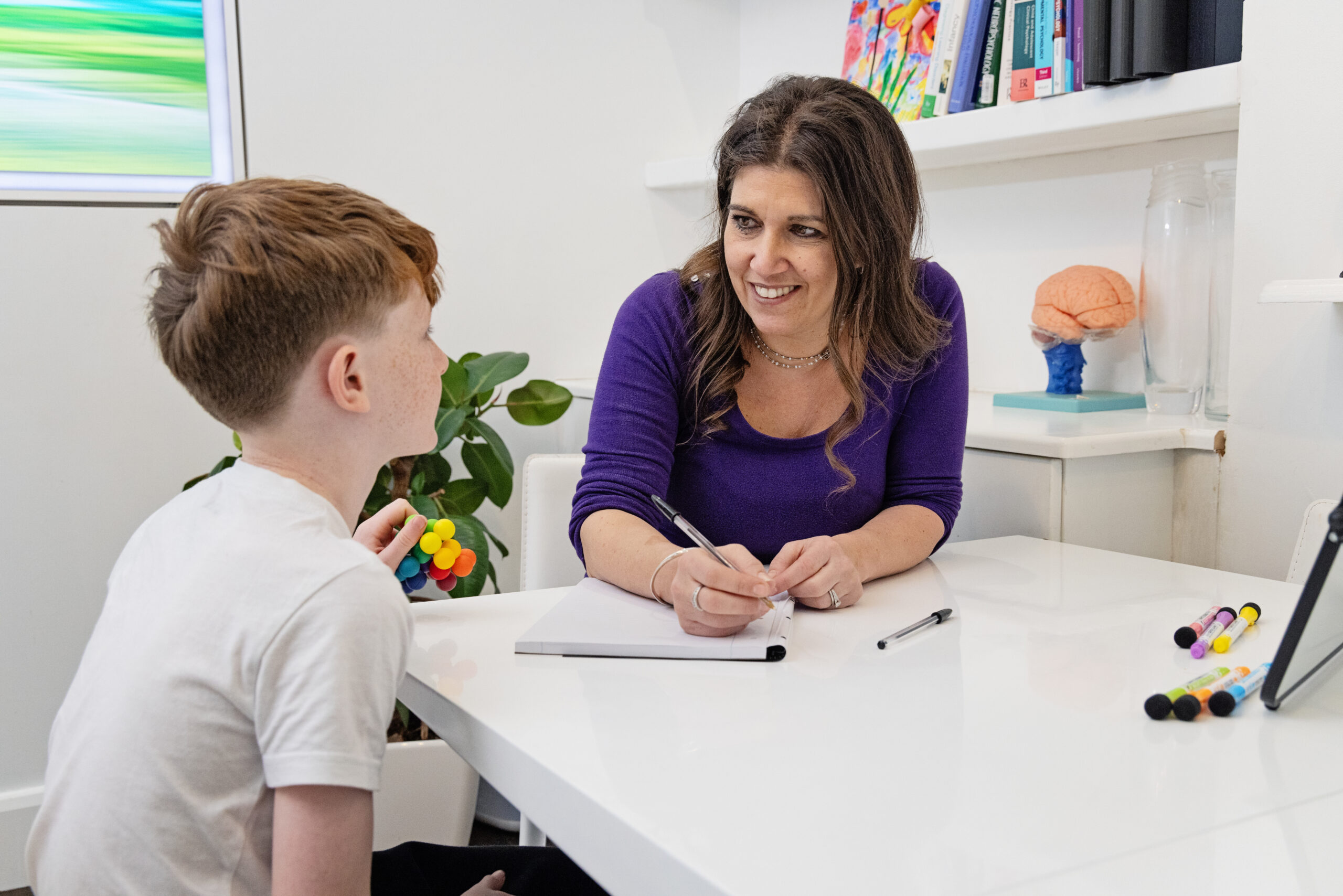


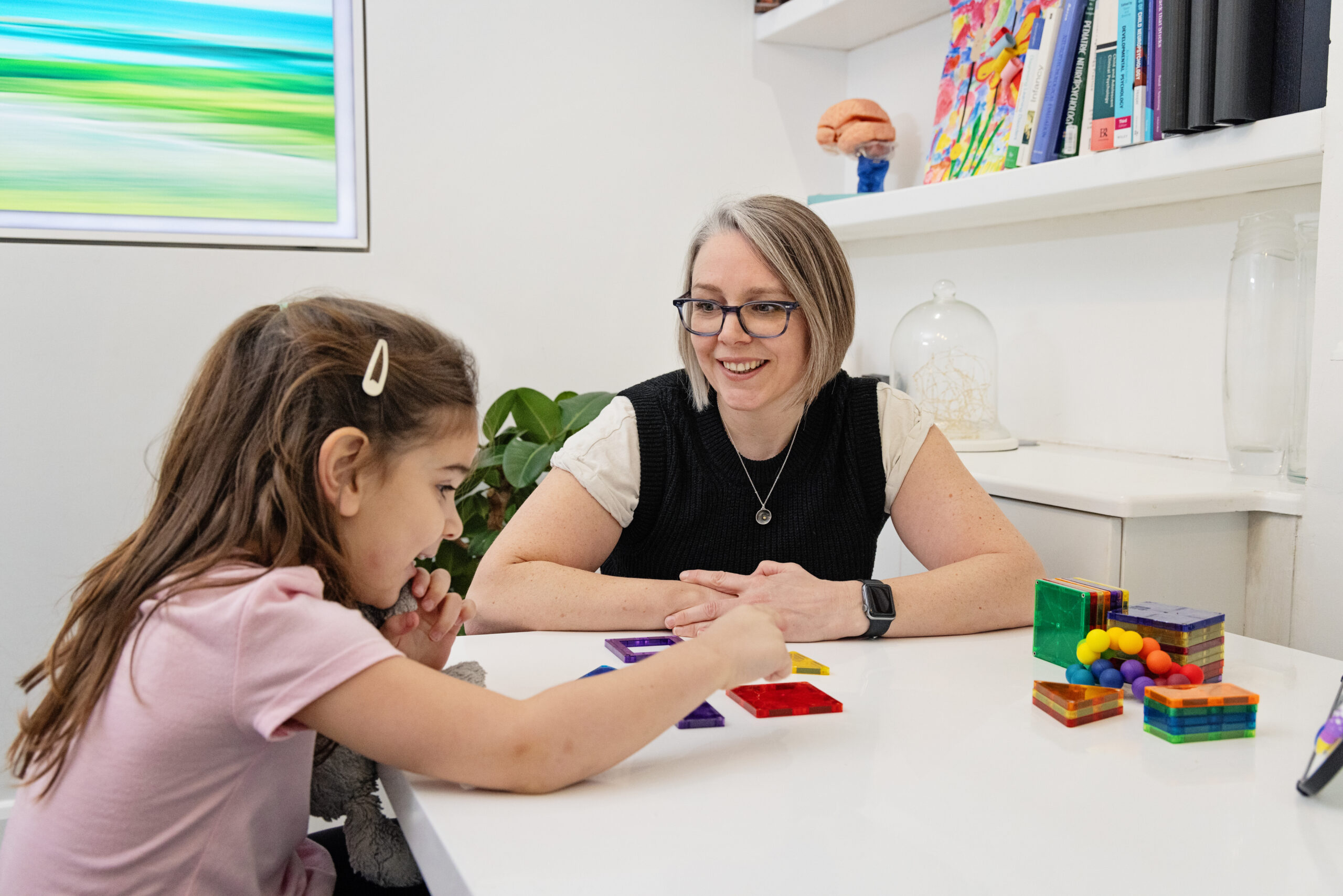
Following the assessment, we will explain our findings to you. When appropriate, your child will receive a formal diagnosis. You will receive a detailed report with clear, practical recommendations to help your child reach their potential. Where helpful, we also offer post-diagnostic support. You can read more about this under the Psychological Intervention section.

We work directly with children, adolescents, and their families to help them navigate and overcome challenges. We also work with care teams and healthcare professionals where a child or young person has cerebral palsy or medical needs. Our aim is to understand each young person’s neurodevelopmental, emotional and psychological well-being, providing the right support to help them thrive.
We work directly with children, adolescents, and their families to help them navigate and overcome challenges. We also work with care teams and healthcare professionals where a child or young person has cerebral palsy or medical needs. Our aim is to understand each young person’s neurodevelopmental, emotional and psychological well-being, providing the right support to help them thrive.
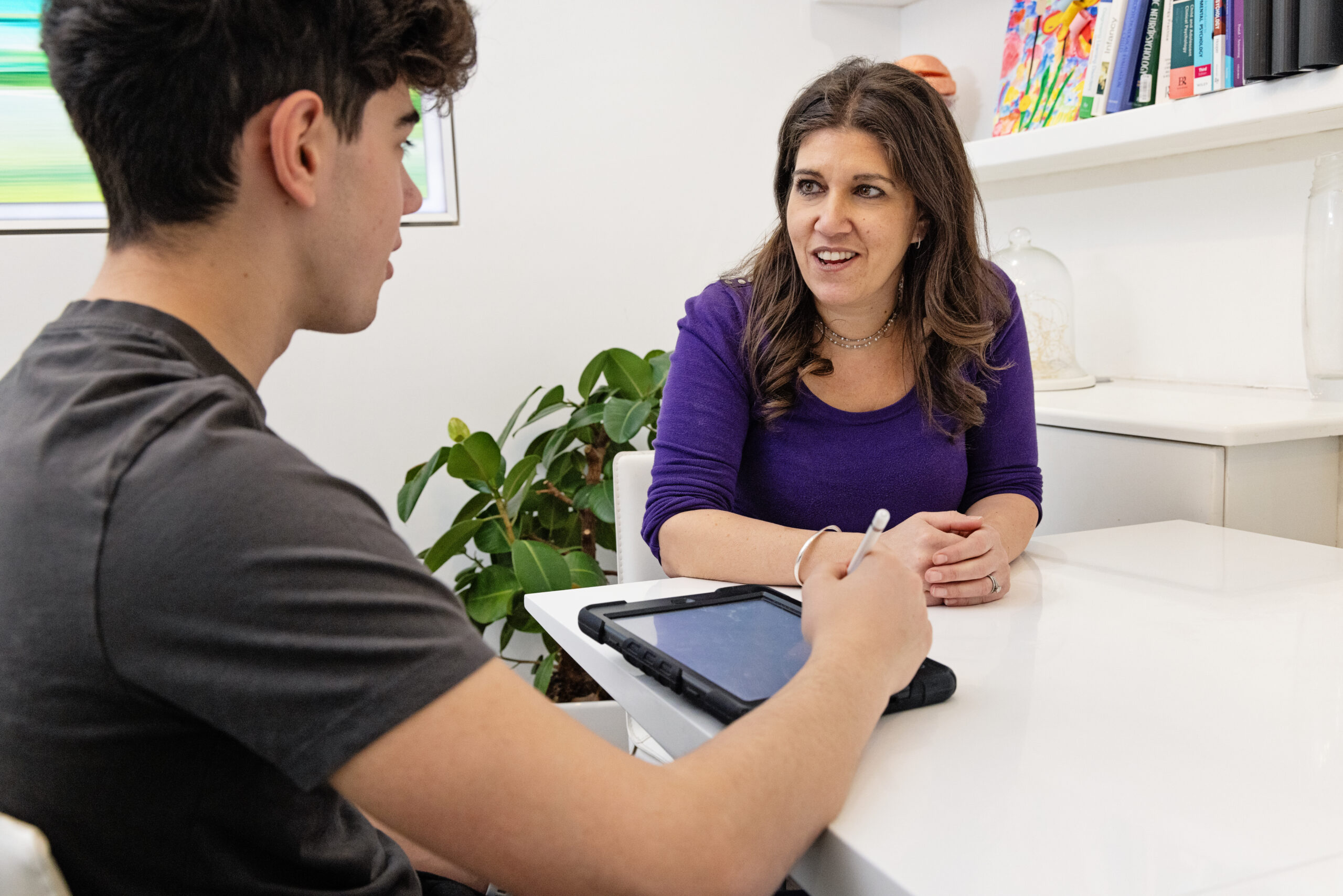
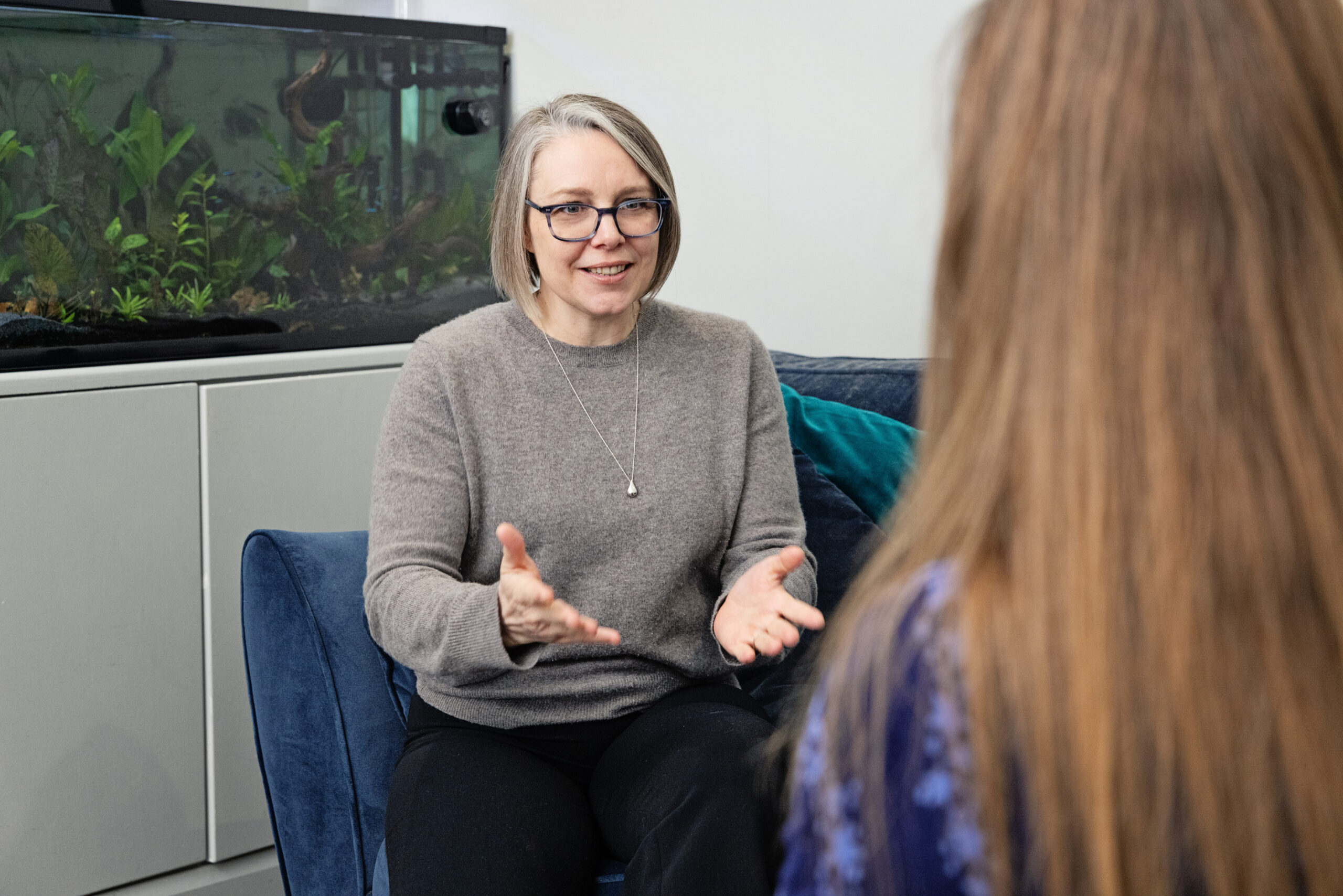
We provide teaching and training to:
We provide supervision and consultation to:
We conduct expert psychological and neuropsychological assessments for civil, criminal, and family courts.

We provide teaching and training to:
We provide supervision and consultation to:
We conduct expert psychological and neuropsychological
assessments for civil, criminal, and family courts.
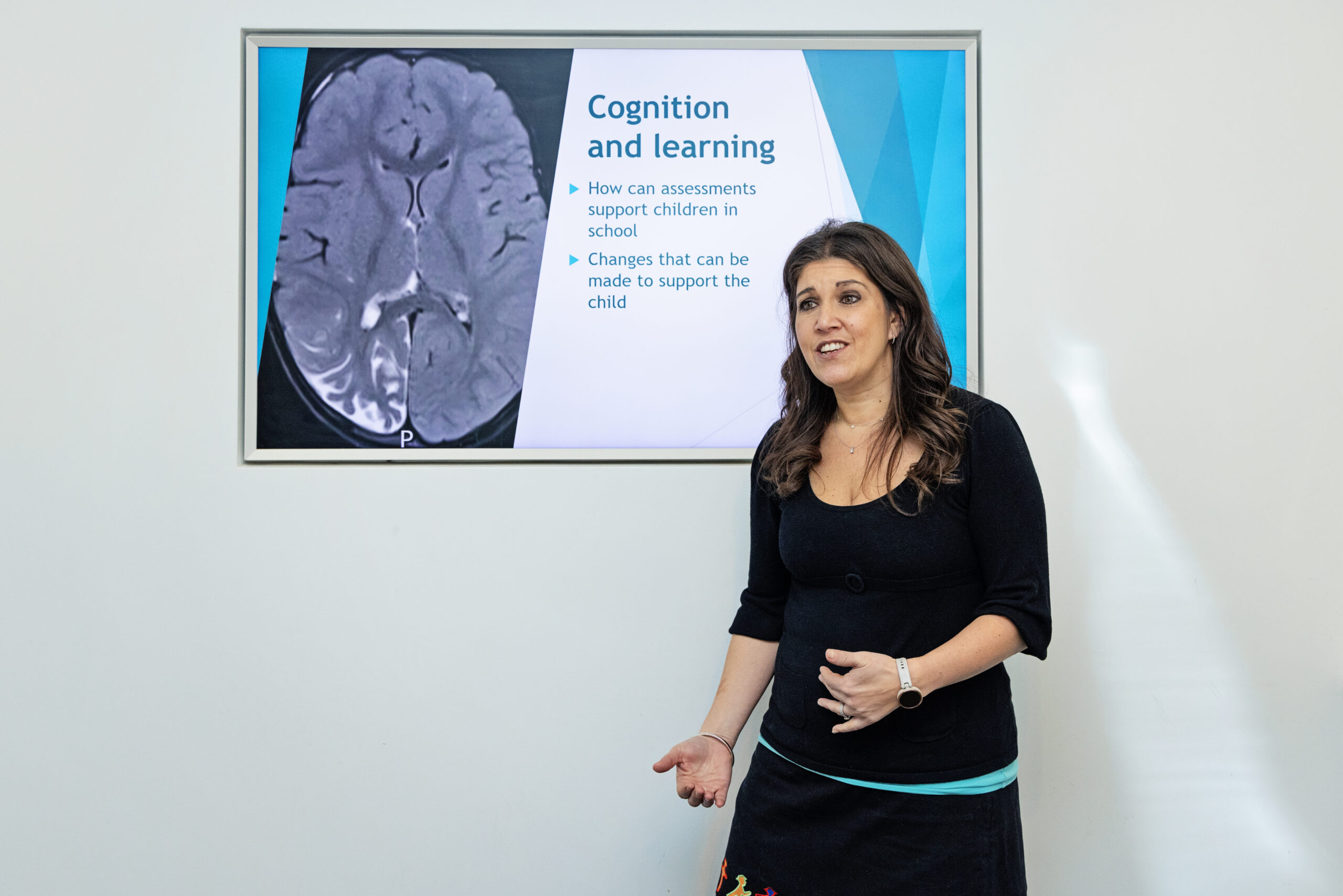
An assessment can help when a child is facing challenges with learning, behaviour, emotions, or development. A thorough evaluation identifies underlying difficulties and provides tailored recommendations for support.
Common Reasons for Referrals for Assessment:
1. Academic Concerns
2. Specific Learning Issues
3. Social Difficulties
4. Autism Spectrum Concerns
5. Anxiety Issues
6. Attention and Hyperactivity
7. Behavioural Concerns
8. Health Changes
9. General Understanding
10. Memory Difficulties
11. Executive Functioning Issues
Free no-obligation Initial Discussion – A short phone or zoom call to discuss concerns and explain the assessment process. This usually lasts around 30 minutes. After this call we will email you with an assessment plan and associated costs.
Once the assessment has been agreed and an assessment date has been set:
We believe in openness and honesty. Let your child know that the assessment is about understanding their strengths and areas where they might need extra support. Reassure them that there is no “pass or fail”—they just need to try their best.
Social communication is about how we interact with others – includes understanding conversations, picking up on social cues, using body language, being interested in others, and knowing how to take turns in conversations. Being able to think flexibly, adapt to different situations and environments is also important for social integration. Some children find these skills harder to develop, which can make some environments and social situations particularly challenging.
We provide Gold Standard assessments and follow National Institute of Health and Care Excellence (NICE) Best Practice guidance. Working with trusted multidisciplinary colleagues, including a Consultant Paediatrician who specialises in Neurodevelopment or a Consultant Child and Adolescent Psychiatrist as standard, we carry out diagnostic assessments to identify Autism. Autistic children can find social communication and interactions more difficult, prefer routines, or have specific interests. They might also process sensory information differently. This sometimes affects children in one setting but not another, such as at home but not at school, which can be confusing for parents and teachers.
We have expertise in identifying needs in people whose differences are hard to spot. These people are often overlooked, for example whena child or young person is very cognitively able, or girls and young women (and also boys) who may ‘mask’ their differences in certain settings.
Through careful and thorough assessment of a child’s strengths and challenges, we can identify their needs and help them to access the right support, enabling them to build confidence in their communication, relationships, and everyday life.
We work by understanding the child’s system (family, school, wider network) and causes of any problem, then devising a psychological intervention and offering a compassionate therapeutic space.
We plan the course of intervention collaboratively with parents and young people, and where needed undertake liaison and multidisciplinary working with teachers, care team members and other health professionals.
We work within guidelines set out by National Institute of Health and Care Excellence.